Measurement
|

ENERGY MANAGEMENT SYSTEM (EnMS)
Optimize energy consumption while maintaining operational performance and occupant comfort.
A smart Energy Management System (EnMS) enables organizations to monitor, analyze and optimize energy consumption across facilities, buildings and manufacturing operations. By transforming energy data into actionable insights, organizations can improve operational efficiency, reduce energy wastage and support sustainability objectives.
The system provides comprehensive monitoring, measurement, analytics and reporting capabilities that help organizations establish energy baselines, track energy performance and identify opportunities for continuous improvement. Designed to support structured energy management practices, the solution can assist organizations in their energy management initiatives, including those pursuing ISO 50001 Energy Management System (EnMS) implementation and certification.
The system provides comprehensive monitoring, measurement, analytics and reporting capabilities that help organizations establish energy baselines, track energy performance and identify opportunities for continuous improvement. Designed to support structured energy management practices, the solution can assist organizations in their energy management initiatives, including those pursuing ISO 50001 Energy Management System (EnMS) implementation and certification.
Flink System Energy Management measures actual performance against dynamic targets to identify deviations and to safeguard the operation is being managed and controlled to deliver the most energy-efficient level of productivity.
Real-time Monitoring & Control
Beyond providing real-time visibility into energy consumption, effective energy management enables organizations to identify inefficiencies, establish energy baselines, evaluate performance trends and support continuous improvement initiatives. Real-time monitoring empowers facility and operations teams to make faster, more informed decisions that contribute to energy efficiency and operational excellence.
Maximum Demand Control
To prevent contracted power limits from being exceeded, the Energy Demand Control System enables facility managers to disconnect non-critical loads during selected time periods and avoid simultaneous load connections that contribute to high instantaneous power demand.
By analysing historical demand patterns, organizations can better understand when and where peak energy consumption occurs. These insights support more effective load scheduling and operational planning strategies, helping reduce demand charges while improving overall energy performance.
Power Scheduler
Flexible load management enables more efficient and economical energy utilization. Cost-effective energy scheduling helps optimize energy consumption by automatically managing loads based on operational requirements, predefined schedules and energy availability.
When combined with operational schedules and occupancy requirements, energy data can provide deeper insights into resource utilization and support more informed operational decisions. This enables organizations to align energy consumption with operational activities while improving overall efficiency.
Eliminating Standby Power
Automatically takes all the standby devices and other power guzzlers off the grid when they are not needed. It helps to save on energy bills.
Auto Power Sequencing
Power-up or power-down electrical equipment in sequence in order to protect overall electrical system health and safety.
This electrical power monitoring and load management system can be implemented in stages starting with smaller-scale, quick return-on-investment projects and moving to more wide-ranging, higher-value projects.
Beyond providing real-time visibility into energy consumption, effective energy management enables organizations to identify inefficiencies, establish energy baselines, evaluate performance trends and support continuous improvement initiatives. Real-time monitoring empowers facility and operations teams to make faster, more informed decisions that contribute to energy efficiency and operational excellence.
Maximum Demand Control
To prevent contracted power limits from being exceeded, the Energy Demand Control System enables facility managers to disconnect non-critical loads during selected time periods and avoid simultaneous load connections that contribute to high instantaneous power demand.
By analysing historical demand patterns, organizations can better understand when and where peak energy consumption occurs. These insights support more effective load scheduling and operational planning strategies, helping reduce demand charges while improving overall energy performance.
Power Scheduler
Flexible load management enables more efficient and economical energy utilization. Cost-effective energy scheduling helps optimize energy consumption by automatically managing loads based on operational requirements, predefined schedules and energy availability.
When combined with operational schedules and occupancy requirements, energy data can provide deeper insights into resource utilization and support more informed operational decisions. This enables organizations to align energy consumption with operational activities while improving overall efficiency.
Eliminating Standby Power
Automatically takes all the standby devices and other power guzzlers off the grid when they are not needed. It helps to save on energy bills.
Auto Power Sequencing
Power-up or power-down electrical equipment in sequence in order to protect overall electrical system health and safety.
This electrical power monitoring and load management system can be implemented in stages starting with smaller-scale, quick return-on-investment projects and moving to more wide-ranging, higher-value projects.
ADVANCED METERING INFRASTRUCTURE (AMI)
Nowadays, the utility landscape continues to advance with Internet of Things (IoT).
Deploy intelligently connected electric, water, gas metering devices and applications are the first steps towards grid modernization and sustainable city.
Deploy intelligently connected electric, water, gas metering devices and applications are the first steps towards grid modernization and sustainable city.
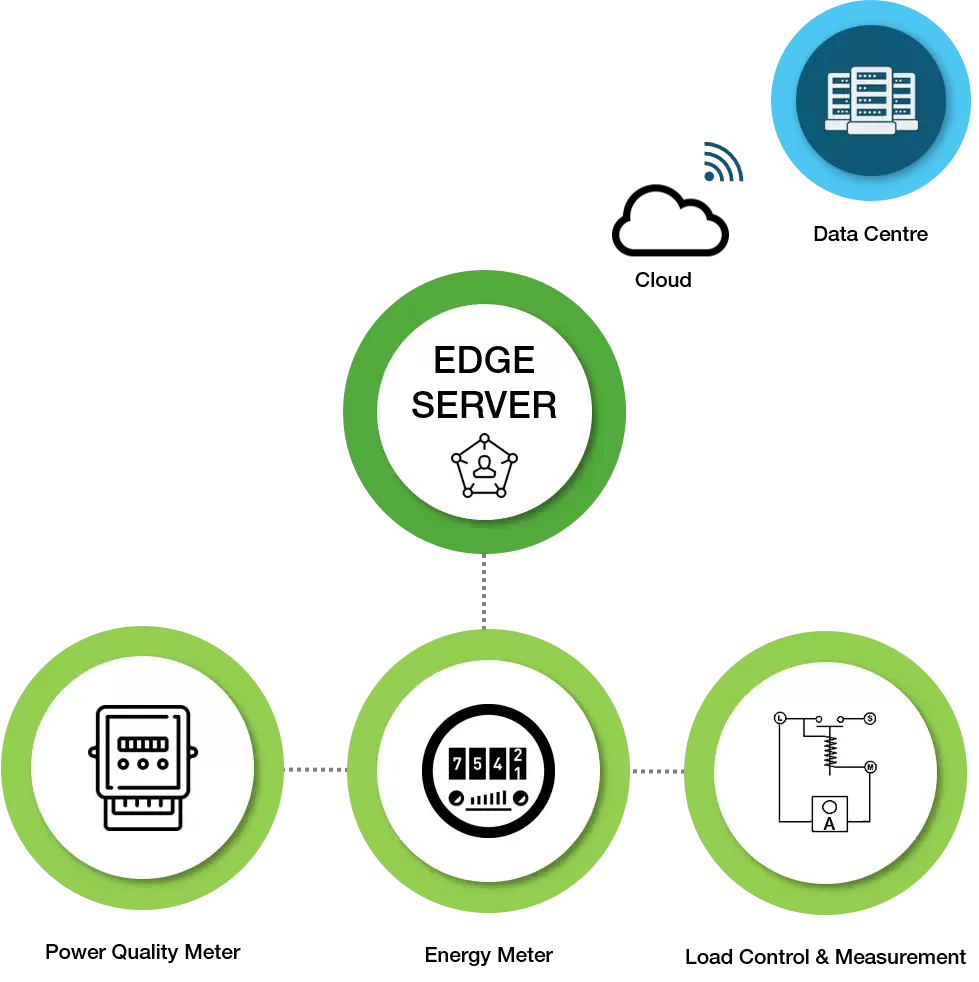
Flink System’s Advanced Metering Infrastructure (AMI) provides adaptive and flexible solution with integrating smart meters, edge computing and data management systems that enables two-way communication between utilities system and metering endpoints.
Our AMI solution empowers the clients with the tools and analytics to:
|
|